In short: a novena is a prayer, or a set of prayers, repeated on nine consecutive days for a particular intention. The name comes from the Latin novem, nine.
If you have spent any time in Catholic life, you have probably heard someone say they are "praying a novena" for a sick relative, for a job, for a wedding, or in thanksgiving for a grace received. It is one of the oldest and most beloved forms of Catholic devotion — simple enough for a child to begin today, deep enough to have sustained saints. At its heart, a novena is nothing more than persevering prayer, offered with patience and trust over nine days. But there is a rich story behind that simple practice, and understanding it makes the prayer far more than a routine.
What a novena actually is
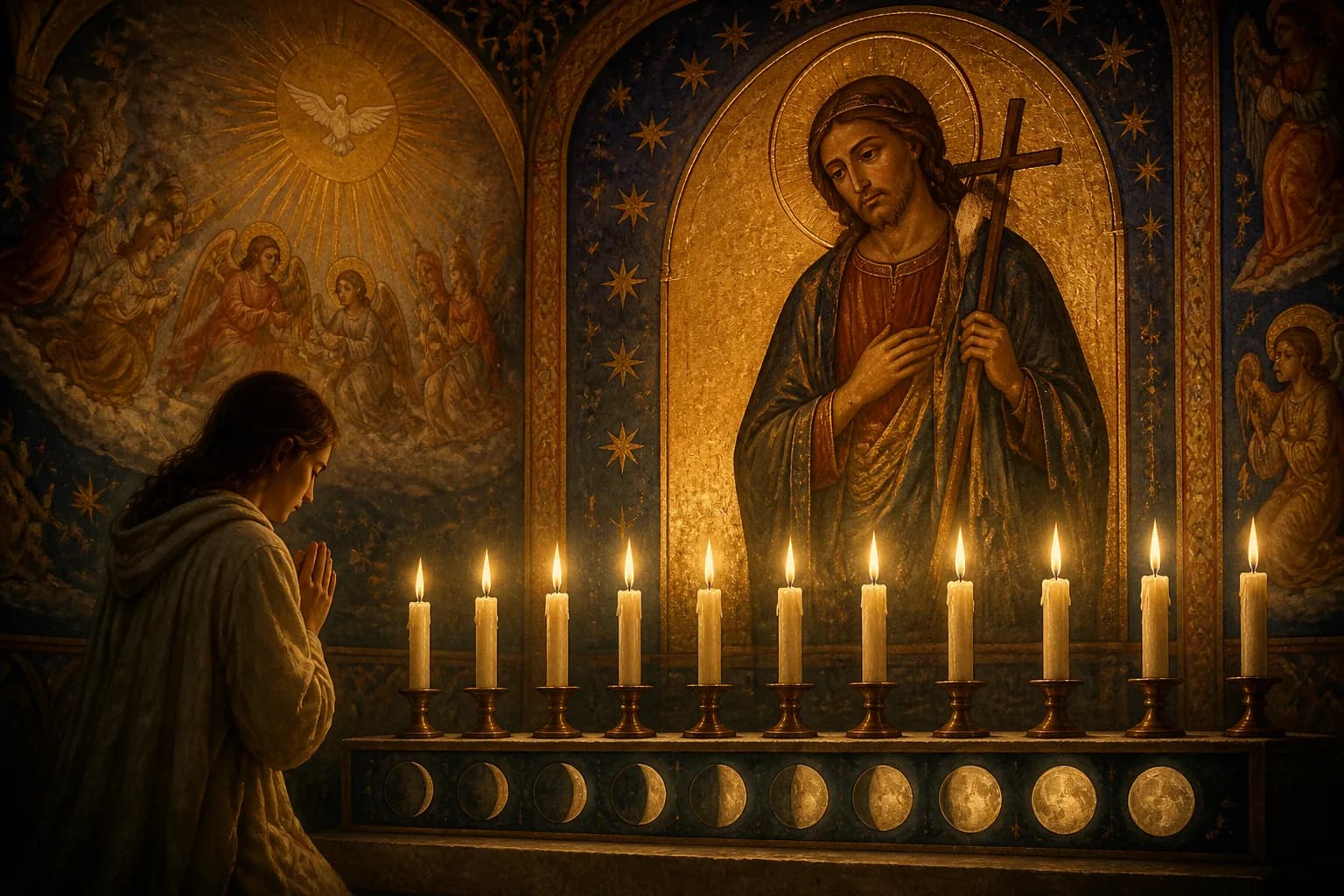
A novena is nine consecutive days of prayer offered for a particular intention. The word comes from the Latin novem, meaning "nine," and the number is the whole point: instead of asking once and moving on, you return to the same prayer, the same need, the same God, day after day for nine days running.
That repetition is not about wearing God down or hitting a magic total. It is a discipline of trust. Anyone can pray once in a moment of fear or longing. To pray the same intention faithfully for nine days asks something of us — it slows us down, keeps the need before our eyes, and teaches us to wait on God rather than demand an instant answer. The novena turns a passing wish into a sustained relationship.
Novenas can be private, prayed alone at home, or communal, prayed by a family, a parish, or even the whole Church together before a great feast. Either way, the structure is the same: nine days, one intention, faithful prayer.
The biblical origin — the first novena
The practice did not come from nowhere. Its scriptural root is found in the very birth of the Church.
After Jesus ascended into heaven, He told the Apostles to wait in Jerusalem for the gift He had promised. The Acts of the Apostles records that they returned to the Upper Room and "devoted themselves with one accord to prayer, together with some women, and Mary the mother of Jesus" (cf. Acts 1). Those days of waiting — between the Ascension and the descent of the Holy Spirit at Pentecost — added up to nine. The Apostles and the Virgin Mary spent them in united, persevering prayer, and at the end of them the Holy Spirit came.
For this reason, those nine days are often called the "first novena." Every novena since echoes that scene in the Upper Room: a small community, waiting in trust, praying with Mary, asking God to send what only He can give. When you pray a novena, you are quietly joining that ancient company.
The main types of novena
Over the centuries, the Church has prayed novenas for many reasons, and they generally fall into a few familiar kinds.
- Novenas of petition are the most common. Here you ask God for a particular grace — healing, guidance, conversion, the resolution of a problem — and you bring that one request before Him each day.
- Novenas of preparation ready the heart for a coming feast. The Pentecost novena, prayed in the nine days after the Ascension, is the model. Many Catholics also pray a novena in the days leading up to Christmas, so that they arrive at the feast with an awakened, expectant heart.
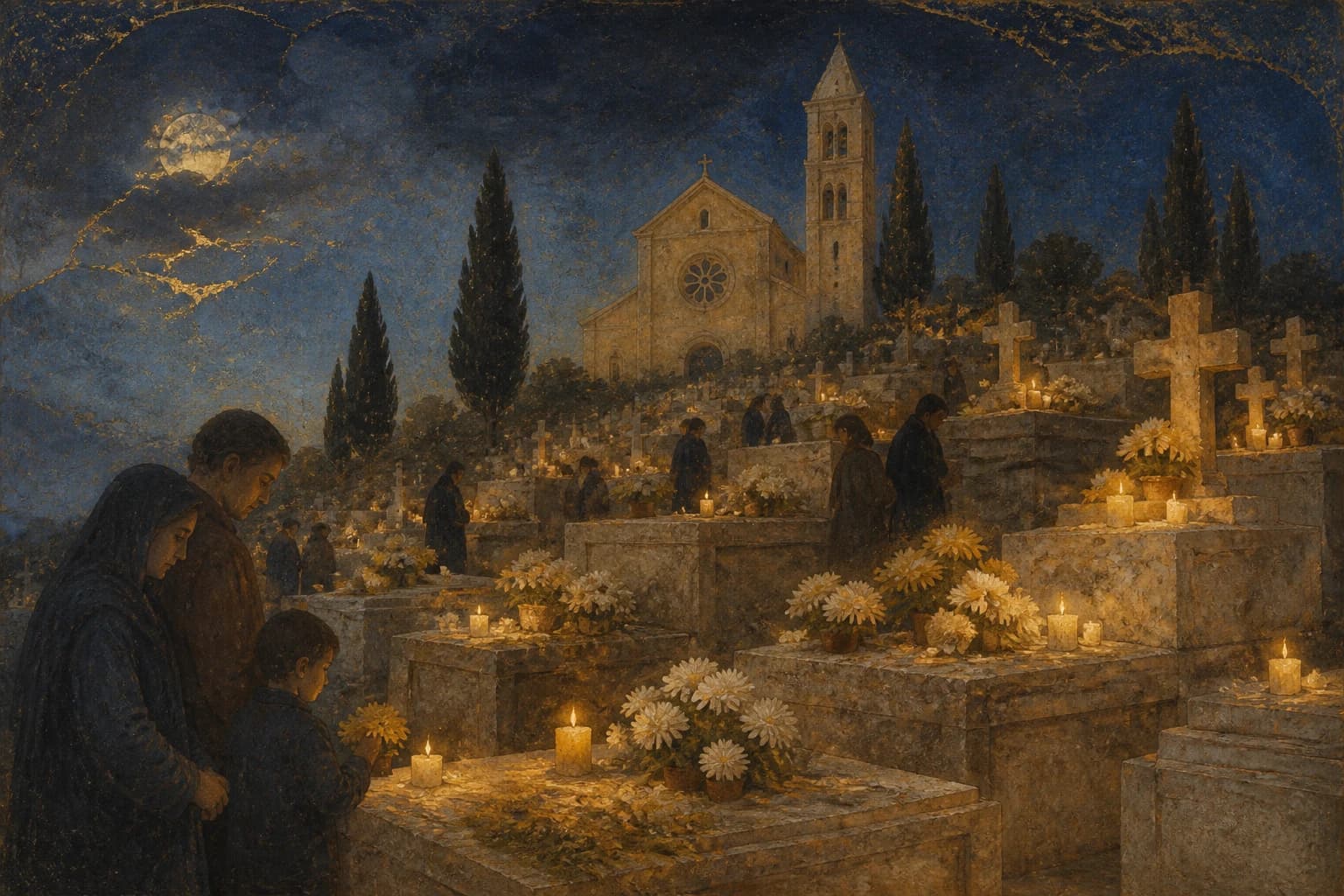
- Novenas of mourning are prayed after a death, often beginning at the funeral, asking God's mercy for the soul of the departed and consolation for those who grieve.
- Novenas of thanksgiving turn the same nine-day discipline toward gratitude, returning each day to thank God for a blessing already received.
The form is flexible; the spirit is constant. Whether asking, preparing, mourning, or giving thanks, the believer commits to nine days of steady, intentional prayer.
How to pray a novena
You do not need permission, a special book, or any particular skill to begin. A novena has three simple parts.
First, choose your intention. Be honest and specific. It might be a sick friend, a difficult decision, a wandering child, a marriage under strain, or simple gratitude. Hold one clear intention before God so that you can return to it each day.
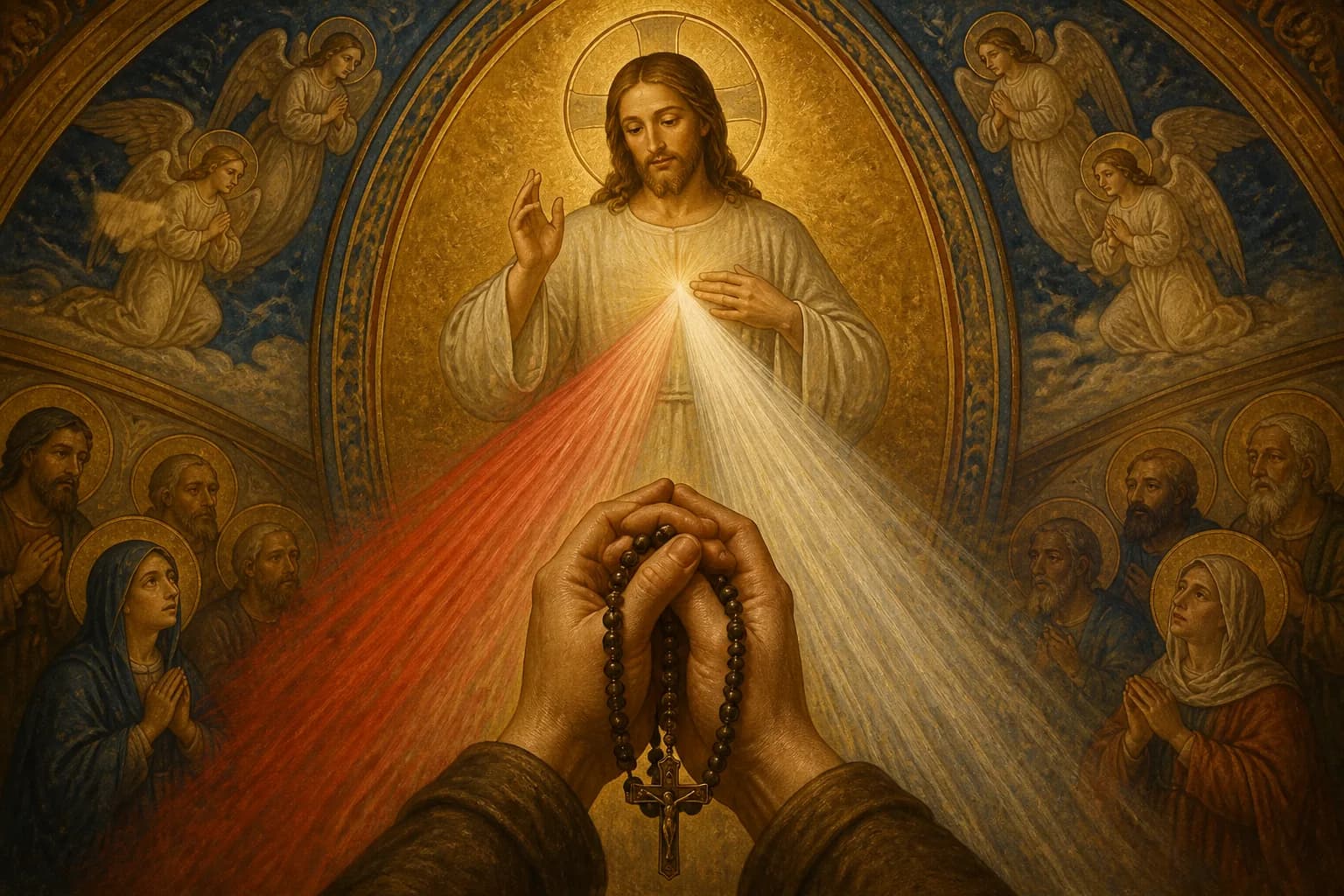
Second, choose your prayer. Some people pray directly to Christ — the Novena to the Sacred Heart of Jesus is a well-loved example. Many pray to the Blessed Virgin Mary under one of her titles, asking her to bring their need to her Son. Others ask a particular saint to intercede: the Novena to St. Jude is widely prayed in hard cases, and there are novenas to countless saints whose lives speak to a given need. There are beautiful set novena prayers for almost every intention, but you may also simply pray the rosary, a chaplet, or your own heartfelt words. The Pentecost novena remains the original, asking the Holy Spirit to come.
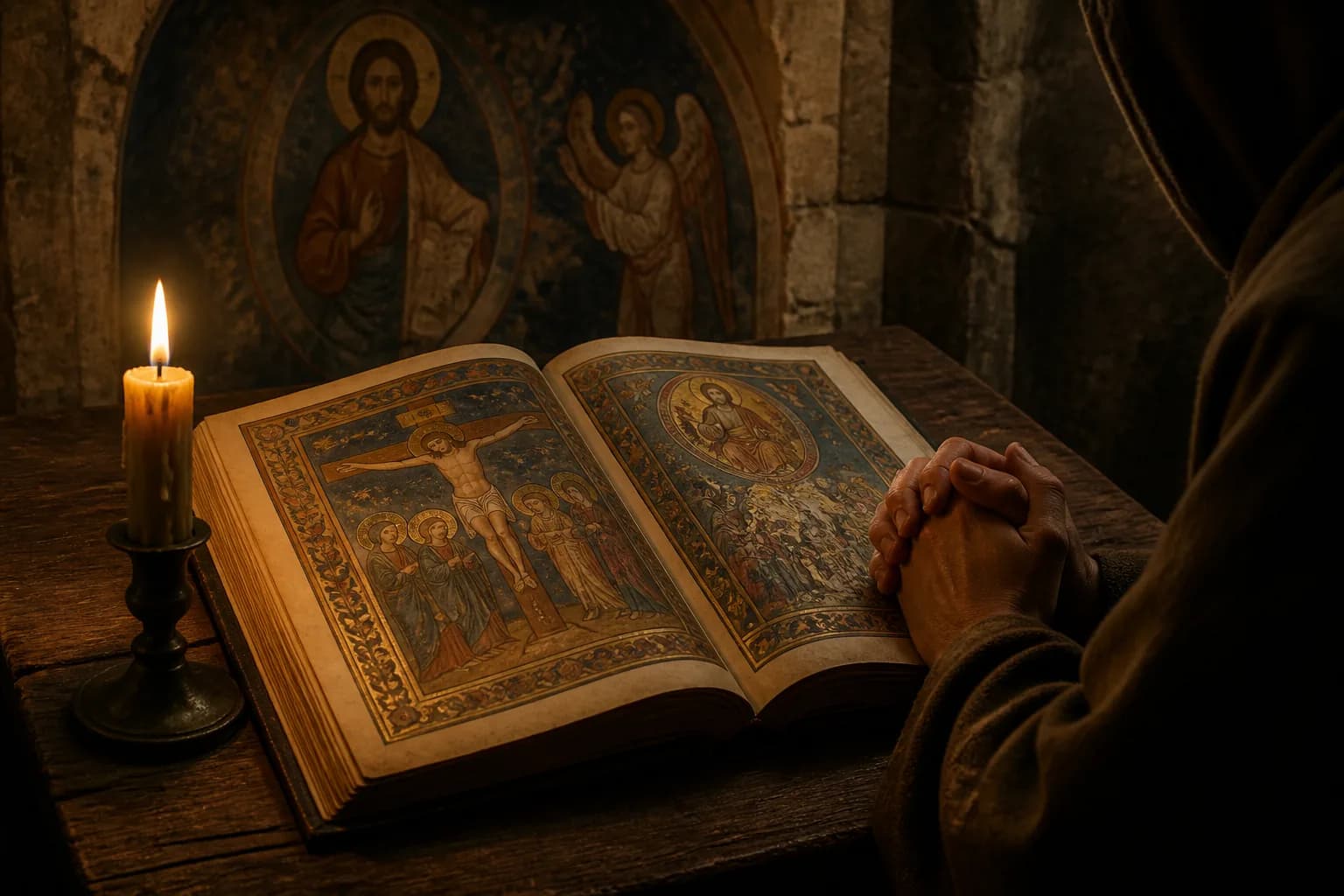
Third, pray it faithfully for nine days in a row. This is the part that matters most. Set a time, even a brief one, and keep it for all nine days. Missing a day is not a catastrophe — simply continue — but the grace of a novena lies precisely in the perseverance. By the ninth day, the intention you began with has become a daily conversation with God.
A note on what a novena is not
It is worth being clear, gently, about what a novena does not claim to be.
A novena is not a magic formula. Praying for nine days rather than one does not obligate God or guarantee the answer you want. Jesus Himself taught us to pray with persistence — recall His parables of the persistent friend and the persevering widow — not because God is reluctant, but because steady prayer changes and prepares the one who prays. The nine days are for our hearts, not for twisting God's arm.
Nor do the saints replace God when we ask their help. When you pray a novena to Our Lady or to a saint, you are not worshipping them or treating them as a second source of power. You are asking them to pray with you and for you before the one God, just as you might ask a trusted friend to pray for you — except that these friends already stand fully in God's presence. Every grace still comes from God alone.
Understood this way, a novena is one of the most quietly powerful habits a Christian can keep: nine days of refusing to give up, of bringing one need faithfully before the Father, in the company of Mary and the saints, exactly as the first disciples did while they waited for the Spirit.
Crucis Lux tells the lives of the saints as narrated, illustrated stories — meet the friends in heaven you can ask to pray with you. Available in the app.